
Is test a Good Place to Live?
Test is a good place to live for households that value a calm residential pace, a range of housing options across price points, and a community where everyday conveniences are within reasonable reach. Whether living in Test belongs on your shortlist depends on your commute situation, school priorities, and the kind of daily environment you are looking for — and this guide covers each of those factors so you can make that call with confidence.
What Is the Overall Feel of Living in Test?
Test carries the character of a community that balances residential calm with reasonable access to everyday conveniences. Neighborhoods tend toward a familiar, approachable scale, and newcomers often describe settling in relatively quickly compared with larger, more transient urban markets.
That said, feel is subjective. Households with children, remote workers, and retirees often experience the same community very differently. Visiting at different times of day, and on weekends as well as weekdays, remains the single most reliable way to gauge whether a place matches your expectations before committing to a move.
Housing in Test - What to Expect at Different Price Points
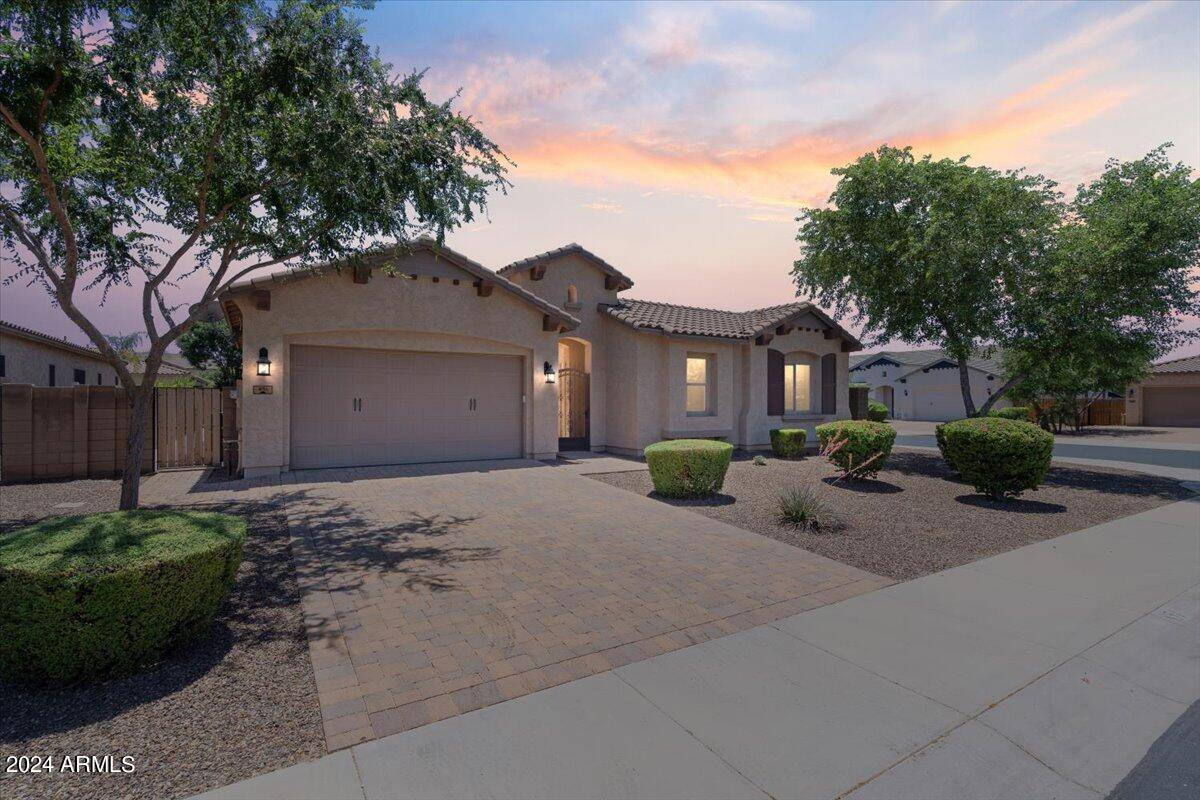
The housing stock in Test spans a range of property types, from detached single-family homes on quiet residential streets to smaller attached options and townhomes closer to local commercial corridors.
For buyers working with a more modest budget, older construction with renovation potential may be more available than newer builds. At the upper end of the local market, newer construction or extensively updated properties typically command a premium, particularly on larger lots or near well-regarded school zones.
Renters generally find that smaller units and apartments offer the most accessible price points, while larger rental homes on quieter streets carry rents that reflect their size and additional privacy.
Because inventory levels, days on market, and price trends shift with broader economic conditions, reviewing active local listing data is the most reliable way to understand current pricing. Current inventory and recent pricing trends for the area are available through the All Listings and local market snapshot pages on this site.
Schools and Education in and Around Test
Test's public school options span elementary through high school, with campuses across the district alongside private and charter alternatives for families seeking different educational environments.
Performance varies by campus and by year. State education department accountability ratings offer one useful data point, though they do not capture classroom culture, extracurricular offerings, or the day-to-day experience of students. Visiting campuses, attending school board meetings, and speaking directly with current parents tends to surface far more useful information than any single rating.
Families relocating with children in specific age ranges or with particular academic interests should research individual campuses rather than drawing conclusions from district-level averages alone.
Getting Around - Commute and Transportation in Test
Most Test residents rely on personal vehicles for daily trips, with commute patterns shaped by proximity to the regional road network and nearby employment hubs. Local connectivity varies by neighborhood, so mapping out the specific routes you would use most often is worth doing early in the research process.
For households with one or more remote workers, the commute question shifts toward internet reliability, access to co-working options, and proximity to airports for periodic travel. Where public transit is available, route frequency matters more than simple availability. Local transit authority websites publish current schedules and coverage maps that give a much clearer picture than general descriptions.
Local Amenities - Dining, Shopping, and Recreation
Test residents have access to a range of dining, grocery, and retail options for everyday needs, alongside parks and recreational spaces that shape the texture of daily life in ways easy to overlook during a quick visit.
Green space and outdoor recreation infrastructure ranges from smaller neighborhood parks to larger preserved areas, depending on which part of the community you are considering. Families with young children, dog owners, and residents who prioritize outdoor activity will find that specific location within the community matters considerably.
Cultural amenities, local events, and community programming add important texture for most relocators. Seasonal gatherings and organized community activities help new residents build social connections relatively quickly, particularly in tighter-knit neighborhoods.
Safety and Community Character in Test
Safety levels in Test vary by neighborhood. The most reliable current data comes from local law enforcement annual reports and incident maps, which allow for neighborhood-level comparisons rather than community-wide averages that can obscure meaningful differences between streets and subdivisions.
Supplementing those numbers with direct conversations with current residents adds important context, including the kind of qualitative observations that statistics do not capture. Community character, separate from safety statistics, encompasses things like neighborhood association activity, the presence of long-term residents, and the general upkeep of properties and public spaces. These signals, observable on a visit, tell you a great deal about whether a community is in a growth phase, holding steady, or facing headwinds.
Cost of Living Beyond Housing in Test
Beyond housing, the full cost of living in Test includes property taxes, utilities, grocery costs, childcare, and local service expenses, all of which add up alongside the mortgage or rent figure to produce a realistic monthly budget.
Key cost components to factor in:
- Property taxes, set at the local and county level, apply directly to any home purchase and can be substantial depending on assessed value and local rate.
- Utility costs vary by home size, age of construction, and season.
- Grocery and dining costs track broadly with regional averages but can differ meaningfully between neighborhoods and shopping options.
- Childcare and local services fill out the budget for households with dependents.
State income tax treatment of various income types also varies, which matters more for some household situations than others. Building a full monthly budget estimate before beginning serious house-hunting helps avoid the frustration of falling in love with properties that strain the actual budget. An affordability calculator is available on the site for buyers putting together that estimate.
Who Tends to Thrive in Test?
Test tends to suit households that value a calm residential pace, reasonable regional access, and a community where neighbors know each other over time. Based on the character of the area, three groups in particular tend to make the adjustment positively:
| Household type | Why Test tends to work |
|---|---|
| Remote workers | More space, quieter streets, and a slower daily pace compared with higher-density markets |
| Retirees | Residential calm, community familiarity, and manageable everyday logistics |
| Families moving to Test from larger metros | Room to spread out, a neighborly scale, and relatively accessible entry-level housing |
Buyers who prioritize walkability above all else or who need dense urban amenities within a short distance may find the trade-offs less compelling. The honest distinction is between those looking to slow down and those who need to stay plugged in to a fast-moving urban core.
Is Test a Good Place to Live? The Bottom Line
Test has genuine appeal for the right household. Its residential character, range of housing options across price tiers, and community feel make it worth a serious look for relocators who align with what it offers.
Whether it is a good place to live for you specifically depends on your commute situation, your family's school priorities, your budget, and the kind of daily environment that makes you feel at home. The factors covered in this guide are the right questions to be asking. The specific answers emerge from combining published data with on-the-ground research in the neighborhoods you are seriously considering.
Frequently Asked Questions About Living in Test
Is Test affordable compared to surrounding areas?
Affordability in Test is relative to the broader regional market. Housing costs vary across property types and neighborhoods, with entry-level options generally available at more accessible price points and upper-tier properties commanding premiums consistent with size, condition, and location. A direct comparison to surrounding communities is best made with current listing data and local market information that reflects recent sales activity rather than general estimates.
What types of homes are available in Test?
Test's housing stock includes detached single-family homes, townhomes, and smaller attached units. The specific mix varies by neighborhood, with some streets predominantly featuring one property type. Lot sizes, age of construction, and finish levels span a wide range, giving buyers at different budget levels meaningful options to consider.
How do I find out what homes are currently available in Test?
Reviewing active listings is the fastest way to get a feel for the market, including what property types are available, how long homes are sitting before going under contract, and where prices are landing relative to list price. Useful indicators to track include days on market, list-to-sale price ratios, and how quickly new inventory moves. The All Listings page is updated regularly and gives a current view of available inventory in the area; filtering by property type or price range can narrow results quickly to what is most relevant for your situation.
Is Test a safe place to live?
Safety levels vary by neighborhood. The most useful current data comes from local law enforcement annual reports and incident maps, which allow for neighborhood-level comparisons rather than relying on community-wide averages. Combining published statistics with on-the-ground visits and conversations with current residents gives the most complete picture of what daily life looks like in the specific neighborhood you are considering.
What is the community feel like in Test?
Test carries a residential, community-oriented character that many relocators describe as approachable and relatively easy to settle into. Neighborhood associations, local events, and a relatively stable long-term resident base contribute to a sense of community that new arrivals often find accessible compared with larger, more transient urban markets.
Written by Testnewsite-2 Test | newsite2 CN